Why you should choose us?

What we do

The Red Sea Institute provides independent, policy-oriented research and advisory services focused on enhancing maritime domain awareness, peace and security, environmental sustainability, and economic cooperation across the Red Sea region. Through evidence-based research, policy dialogue, and stakeholder engagement, RSI supports governments, regional bodies, and practitioners in developing informed, coordinated, and forward-looking approaches to shared maritime challenges, in alignment with frameworks such as the AU, IGAD, and Res Sea Council.

RSI’s services also include capacity building, knowledge exchange, and regional collaboration. The Institute facilitates access to critical data through documentation and research platforms, convenes conferences and trainings, and supports young researchers and institutions in the region. By bridging policy, research, and practice, RSI strengthens regional cooperation while promoting sustainable development, environmental protection, and inclusive economic opportunities along the Red Sea basin.

Intervention Areas

Peace and security
The Horn of Africa and its neighbour, the Arabian Peninsula, have long been sites of conflict and instability. The devastating wars in Yemen and Sudan, the spillover from civil wars in Ethiopia, and the ongoing turmoil in Somalia have created a fragile state of peace and security in the region. Moreover, interstate disagreements and tensions stemming from ideological differences, boundary disputes, and competition for resources such as water and access to the sea further complicate the situation. This environment has been cultivated and exacerbated by external powers' political and military interventions vying for a geostrategic edge in the region. Regional efforts, including those of individual states, the AU, IGAD, and other regional structures, have yielded limited results. While military capability and close cooperation among the militaries of the littoral states are crucial, ensuring security necessitates a more comprehensive strategy that considers the potential of other societal actors, such as coastal communities, the business sector, civil society, and research institutions. The urgency for such an approach arises from the understanding that challenges extend beyond military means. Human trafficking, the illicit transfer of small arms and drugs, environmental pollution, illegal and unreported fishing, and other pervasive issues threaten human security and require robust regional cooperation that surpasses state institutions. In this context, RSI intends to approach peace and security in an integrated manner, linking state security and human security conceptually and practically. RSI will monitor emerging developments and inform policymakers and other stakeholders. To gain a deeper understanding, RSI will conduct research and convene policy dialogue conferences with practical recommendations.
Environment and Natural Resources
As stated above, the Red Sea is renowned for its pristine coastal ecosystems, which host a wide variety of marine species. These ecosystems include coral reefs, mangroves, and seagrass beds, all of which provide essential habitats for marine life. The coral reefs, in particular, are among the most diverse and resilient in the world, supporting a vast array of fish and invertebrate species. In addition to its biological diversity, the Red Sea is abundant in natural resources. However, these ecosystems and the natural resources are threatened by many adverse factors. Such assessments about the environment and natural resources are based on research done by Western institutions. The significant data sitting in research institutes in the United States and Europe are only partially publicly available. Due to capacity and resource limitations, there is little scientific research on the Red Sea literal states; hence, societies of the literal states have very little knowledge about the marine assets they own. This, in turn, paralyses the government's ability to develop data-informed, effective policies for protecting the marine environment and the sustainable exploitation of the Red Sea’s natural resources. For example, climate change is increasingly threatening the environment of the Red Sea. Rising sea temperatures and ocean acidification are damaging coral reefs and other marine ecosystems. However, the governments of littoral states lack local data to develop and implement climate change adaptation and mitigation strategies to safeguard these valuable resources. Pollution presents a significant threat to the Red Sea's environment. Industrial discharges, oil spills, and plastic waste are major pollutants that can severely harm marine ecosystems. These pollutants can endanger marine life, degrade water quality, and disrupt the balance of the ecosystem. Efforts to mitigate pollution through stricter regulations, improved waste management practices, and closer cooperation among states are essential for protecting the Red Sea's environment. Establishing transfrontier maritime conservation areas could be one of the strategies for the states to collaborate. Illegal, unreported, and unregulated (IUU) fishing is another critical issue facing the Red Sea. IUU fishing depletes fish stocks, disrupts marine ecosystems, and undermines efforts to manage fisheries sustainably. It also endangers the livelihoods of local communities that depend on fishing for their income. Combating IUU fishing necessitates an enhanced monitoring system supported by satellite technology, enforcement of fishing regulations, and regional cooperation—all of which are vital approaches to tackling IUU. Everything begins with policies. RSI aims to contribute by fostering discussions with governments and other stakeholders while supporting policy development, drawing on best practices from the African continent and beyond. RSI will also assist member states in harmonising their legislative frameworks and policies to effectively coordinate their actions in protecting the Red Sea's marine ecosystem. To establish a foundation, RSI will conduct research in relevant areas to understand the nature of the challenges and the existing efforts and initiatives and to identify areas for improvement.

Continues...

Trade and Economic Integration
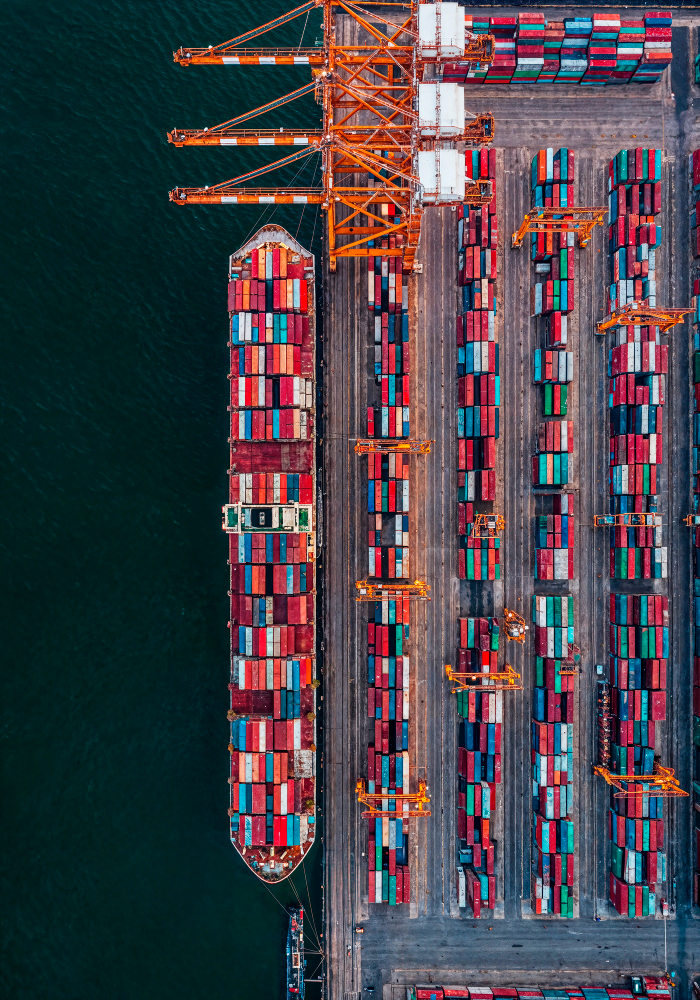
The Red Sea region is of immense strategic importance due to its location and the wealth of natural resources. As stated above, since the opening of the Suez Canal in 1869, the Red Sea has become one of the principal maritime routes for international shipping, facilitating a significant portion of the world's trade. Developing new and expanding existing maritime ports and improved transportation and digital infrastructure can enhance the region's role in global commerce and geopolitical relations. Establishing sea routes and submarine interconnections among the literal states, especially between Sudan, Eritrea, Djibouti and Somalia, would aid intraregional trade and support regional integration. Tourism possesses untapped economic potential in the Red Sea, capable of generating substantial revenues and creating thousands of jobs for the residents of local states. The Red Sea's renowned, pristine coastal ecosystems could be developed sustainably for eco-tourism. The region's rich archaeological sites could also serve as vital assets in the tourism industry. To ensure a fair distribution of benefits among the local population, the states could promote joint venture investments by homegrown entrepreneurs. In this respect, implementing uni-visas that permit visitors to access all countries could significantly enhance tourism. Furthermore, the rich fish stocks of the Red Sea have yet to be fully developed to significantly enhance the food security of local communities and generate revenue for nations through exports. Fisheries should be prioritised as a vital sector of the economy due to their multi-faceted benefits, including food security, export earnings, industrialisation related to food processing, and job creation. The development of other mining and hydrocarbon extraction is an economic area that requires thorough examination, given its environmental impacts and high capital costs associated with development. RSI will prioritise exploratory/scoping studies to identify the existing capacities, potentials, and opportunities in the three economic sectors: ports and maritime transportation, tourism, and fisheries (artisan and industrial). It will use its findings to engage governments and other stakeholders in developing effective policies and strategies for these sectors.
History and Cultural Heritage
The Red Sea region is a treasure trove of historical and cultural heritage. It has a rich tapestry of archaeological sites that reflect the diverse civilisations that flourished along its shores. The Red Sea has been a crucial maritime route since ancient times, serving as a bridge between Africa, the Arabian Peninsula, and the Indian subcontinent. Numerous archaeological findings and ancient narratives indicate a shared history and enduring connections among the communities along its shores. The Red Sea region has a rich cultural heritage, with diverse traditions, languages, and customs passed down through generations. Closely related to one another, the region's cultural heritage is reflected in its art, music, dance, and culinary traditions, which are integral to the identity of the people. Promoting and preserving this cultural heritage is essential for fostering a sense of pride, dialogue and togetherness among the people of the region. Highlighting the numerous archaeological sites that offer valuable insights into the ancient civilisations that once thrived here could reinforce the peoples’ shared identities. To contribute to the people-to-people dialogue, RSI will amplify the region's shared history and cultural heritage through electronic publications of visual, audio, and written materials. RSI will provide platforms for archaeologists, historians, cultural anthropologists, religious scholars, linguists, and artists to share their insights and works that encourage dialogue among the peoples and promote regional integration.

Tentative Activities


Shaping Knowledge.Strengthening Cooperation. Securing the Red Sea.


The Red Sea Institute (RSI) has been established to contribute towards improving the MDA in the Horn literal countries